The Lost Shtetl Museum: Where a Vanished World Comes Back to Life
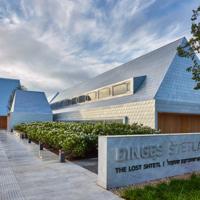
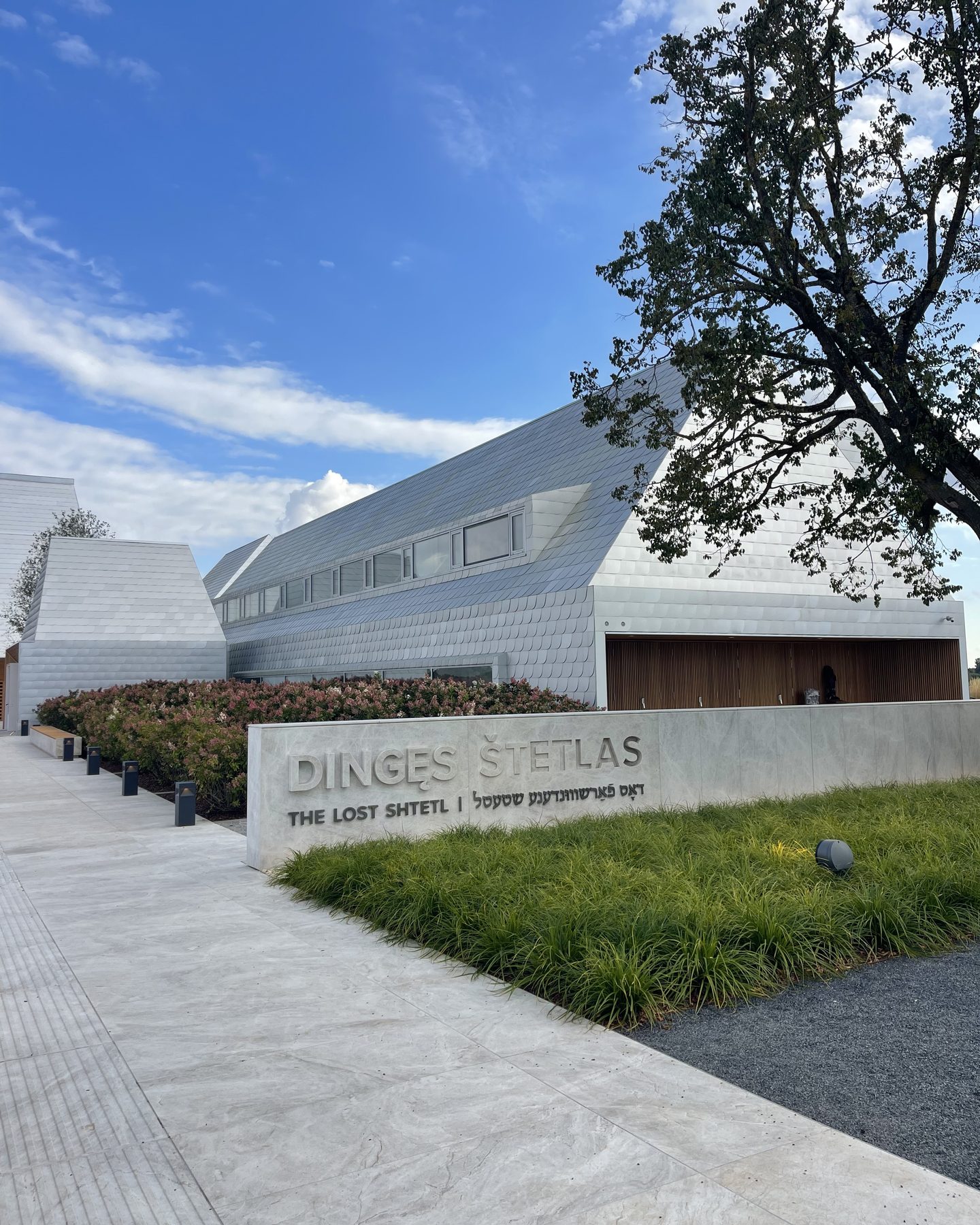
Today I'm honoured to share a story written by the team of the Lost Shtetl Museum in Šeduva, a museum that brings back to life the Jewish towns that once stood at the heart of Lithuania.
I visited the museum myself, and it moved me more than I can easily put into words. Walking through the market square, hearing its voices, standing before the faces in the old photographs and the names on the memorial wall, I felt I was not visiting a museum but stepping into the lives of real people. I left in silence, with a full heart.
I'm especially grateful to Marija Dautartaitė, Head of Communications at the Lost Shtetl Museum, for making this collaboration possible and for sharing the museum's story with our readers.
A white town among the fields
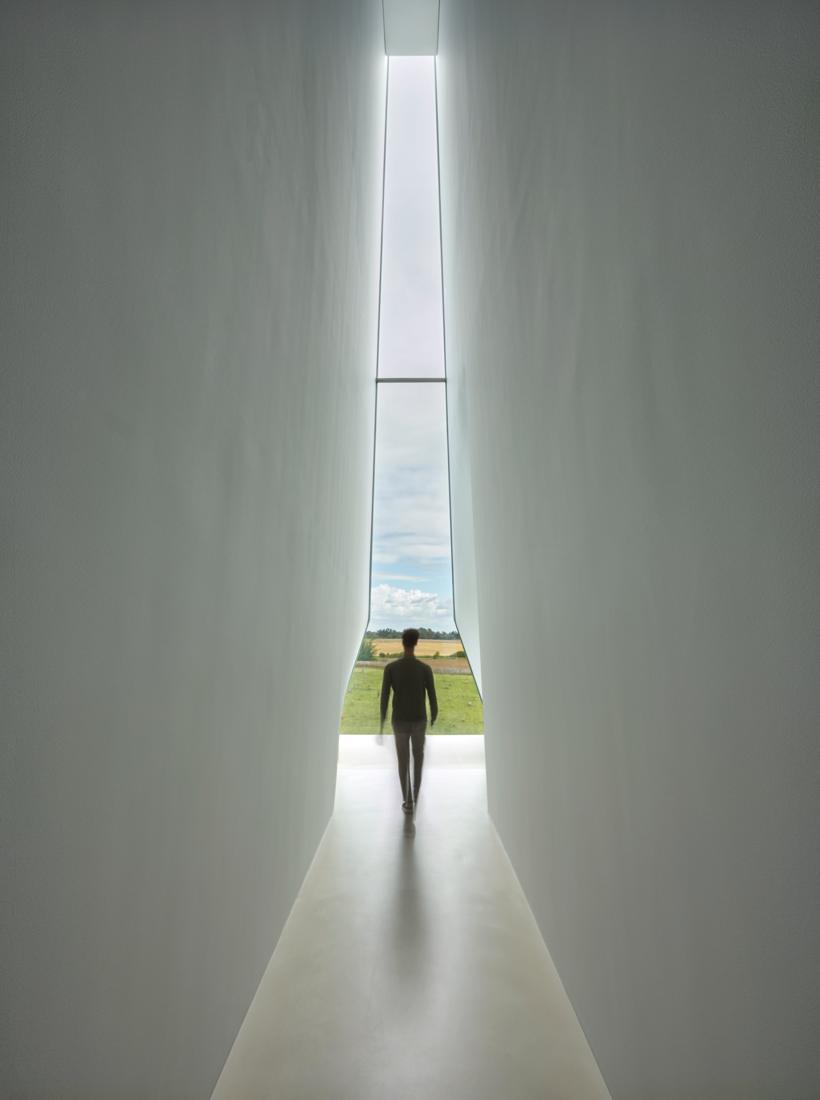
The museum is visible from afar: a white town rising among wheat fields, trees and gentle hills. On a sunny day it seems to glow. Here the shtetl of Šeduva comes back to life, and through it, the story of hundreds of other Lithuanian shtetls that were destroyed, forgotten and lost. Yet all of them are still waiting to be brought back from oblivion.
Jews began settling in the Grand Duchy of Lithuania in the fourteenth century, invited by Lithuanian rulers and noble families, and found refuge here from persecution in Western Europe. In Yiddish, small towns were called shtetls. Before the First World War, thousands of them stretched across today's Lithuania, Latvia, Poland, Belarus and Ukraine, forming a whole civilization with its own language, its own faith and its own way of life. In interwar Lithuania alone there were more than 200 shtetls. They are the same towns Lithuanians live in today.
Walking the streets of Šeduva
The main exhibition tells Šeduva's story from 1918, when Lithuania declared independence, to 1941. Visitors step into a recreated shtetl. At its heart is the Market Square Gallery, filled with the sounds of everyday shtetl life. Visitors can close their eyes and imagine standing in the middle of the marketplace, listening to merchants and customers, hearing a radio playing in the distance, and catching fragments of conversations and daily stories. A detailed scale model of interwar Šeduva lets you trace the paths residents once took to the synagogue, the shops, the schools and the inns.
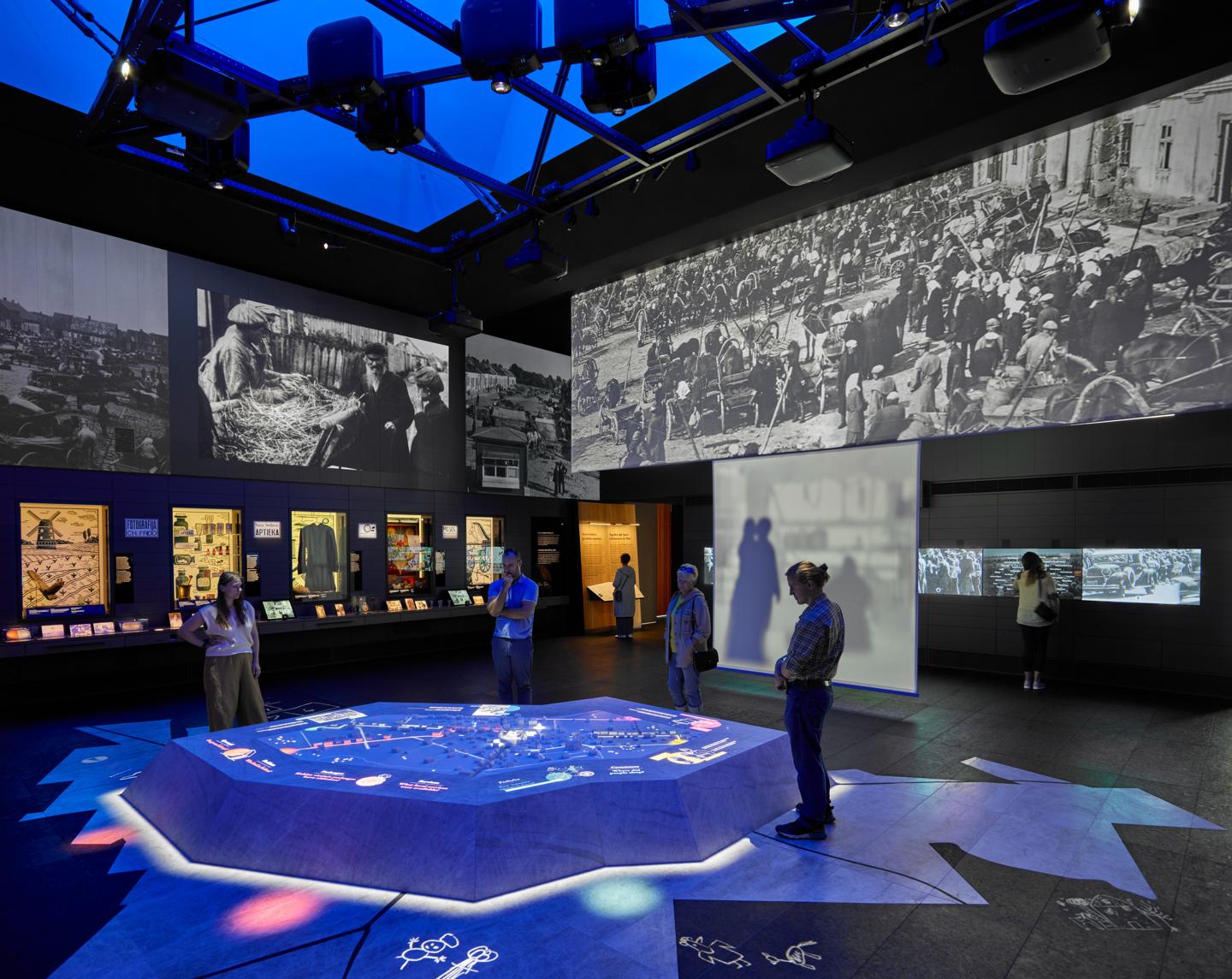
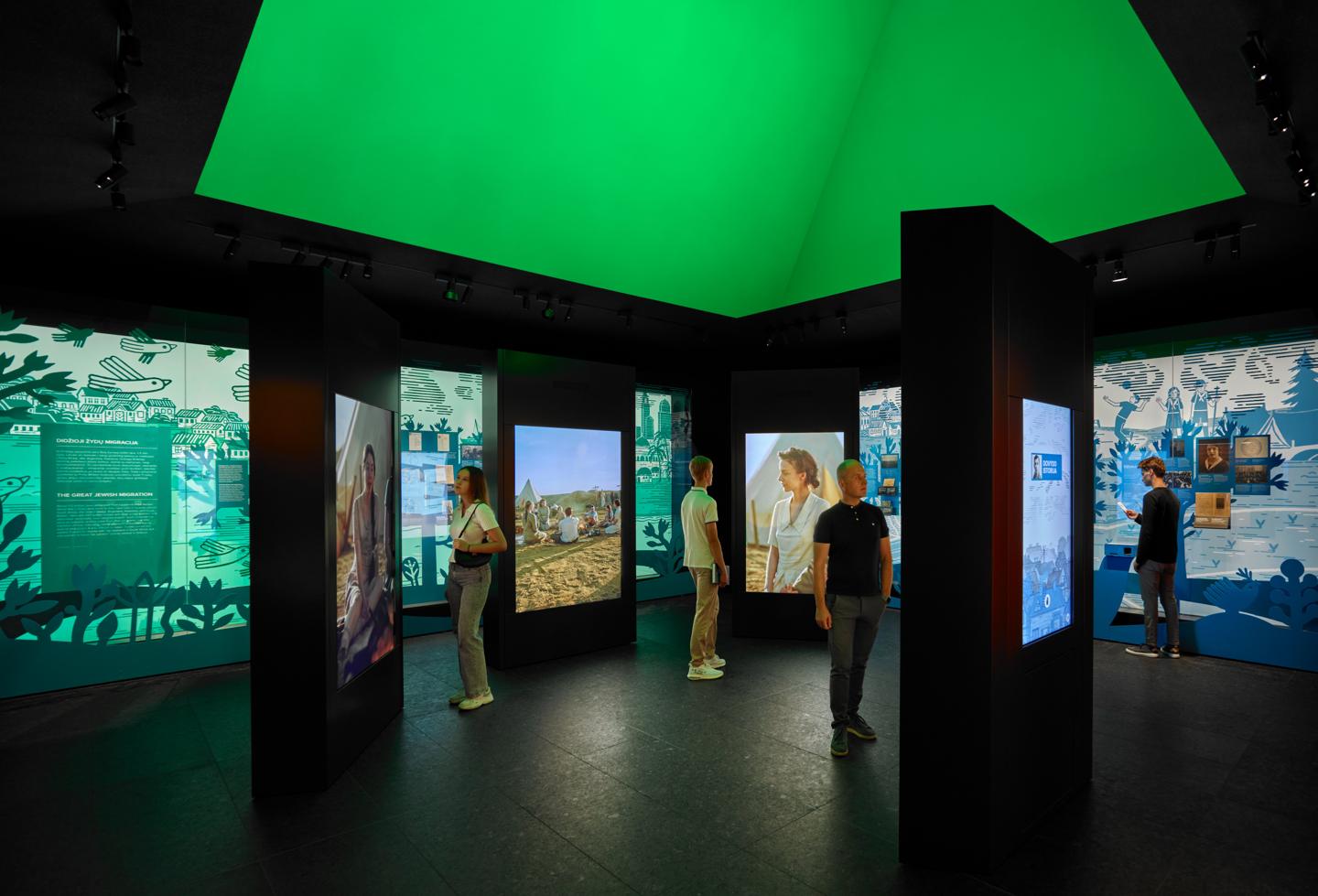
The Dreams and Reality Gallery follows the town's young people. Some dreamed of America, South Africa or the Holy Land. Others faced what young people everywhere know: school, career choices, first love. Attentive visitors may even recognize aspects of their own lives in these stories, for dreaming is a universal human experience.
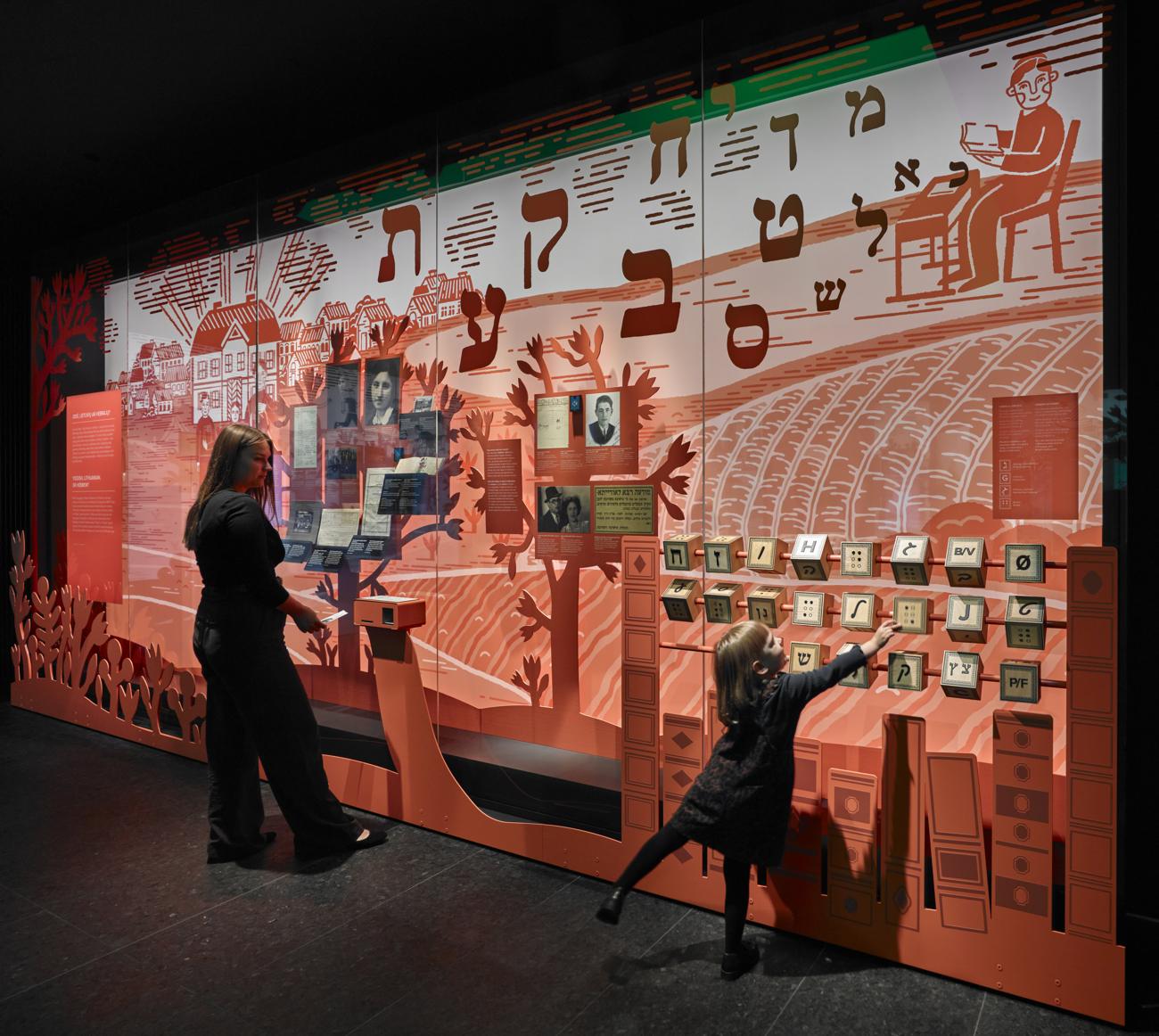
The People of the Book Gallery, designed like a synagogue with replica benches from the Vilnius Choral Synagogue and a women's gallery above, presents Shabbat, Jewish tradition and the kosher home, alongside a documentary drama by director Roberta Grossman.
The destruction of the shtetl
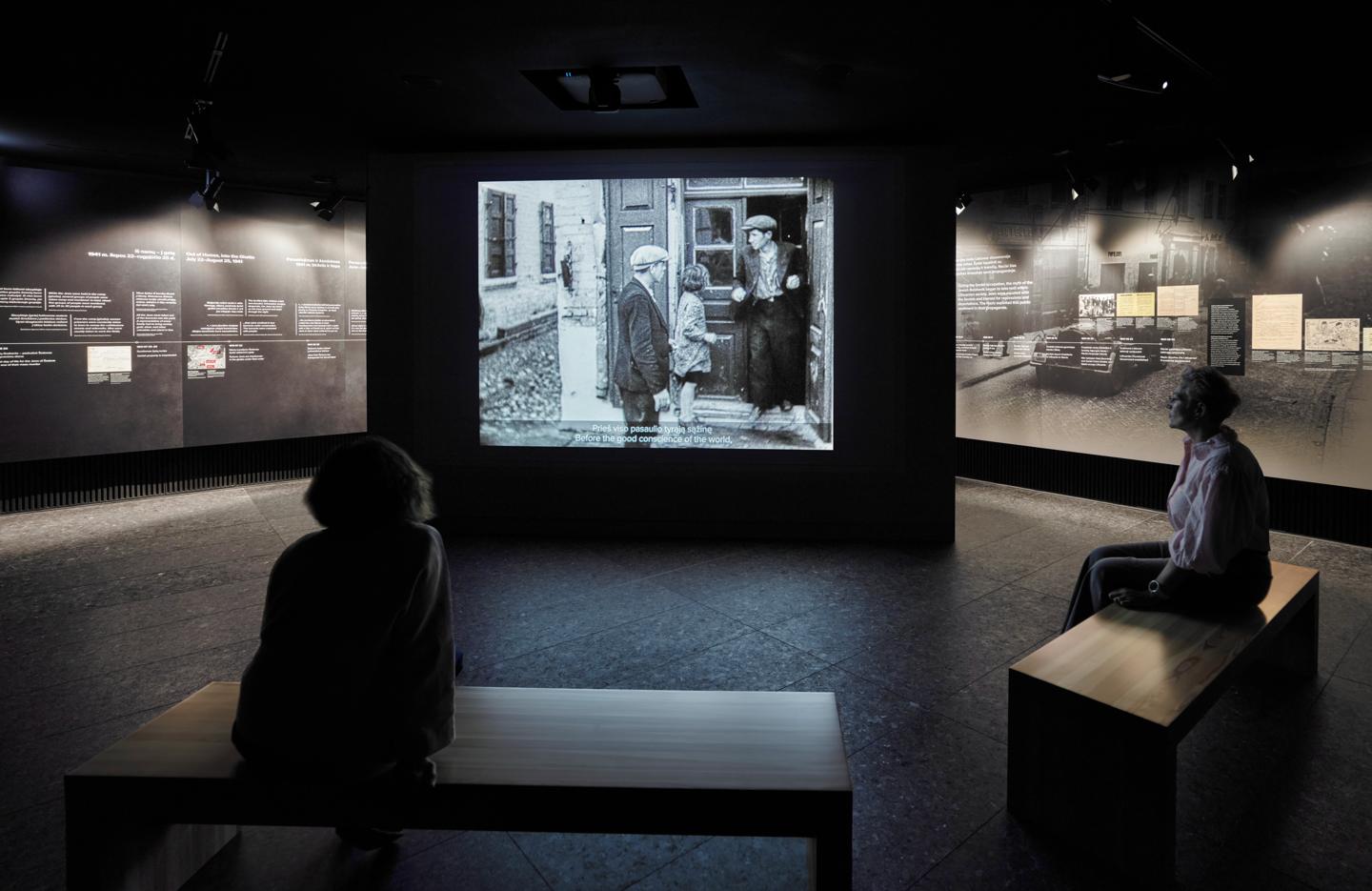
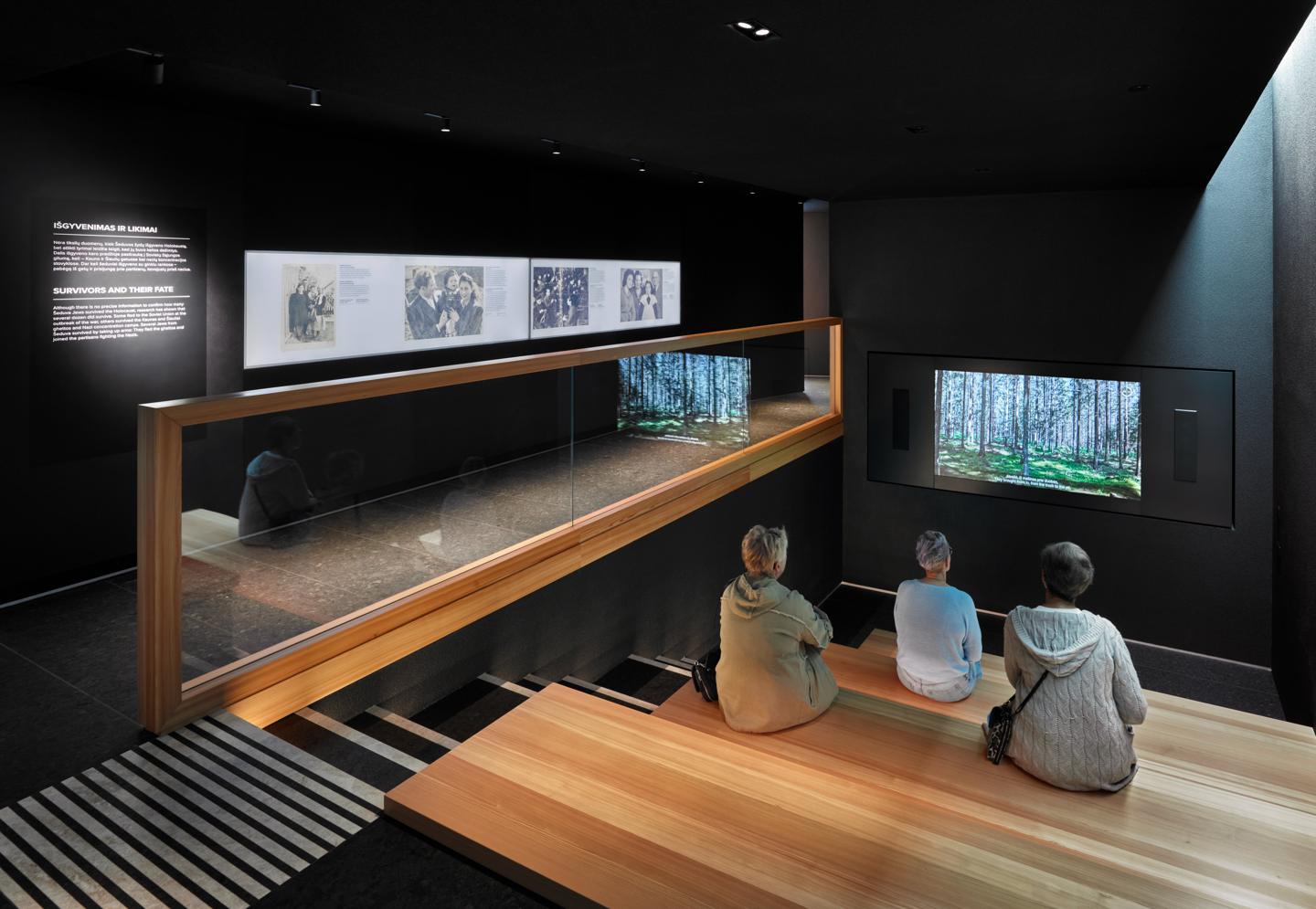
The final part of the exhibition shows how the Soviet occupation of 1940-1941 and the German occupation that followed transformed Lithuanian society and created the conditions in which the Holocaust became possible. The overwhelming majority of Jews living in Lithuania's towns and shtetls were murdered between June and October 1941, often only a short distance from the communities where their families had lived for centuries. The perpetrators were Nazi forces and their local collaborators. Around 200,000 Jews were murdered in Lithuania during the war. Only a few thousand survived, many thanks to local residents who risked their lives to save them.
Shula's story
In September 1941, eleven Jews from Šeduva were baptized, with local residents as their godparents, in the hope of saving three families. The attempt failed. Within a few months they were arrested and murdered. Only one woman, Shula Nol, escaped. She was hidden first by Father Mykolas Karosas and later by the Paluckas, a local farming family.
Her story, and that of Šeduva pharmacist Nochum Berman, are told in the museum's free audio guides in Lithuanian, English, Russian and Hebrew. The Hebrew version is narrated by Israel's Ambassador to Lithuania, Shelly Hugler Livne, and Deputy Ambassador Shimon Pesach.
The names on the wall
What remained in Šeduva after all the Jews had been killed? How did the local population continue their lives after suddenly losing neighbors, friends and acquaintances?
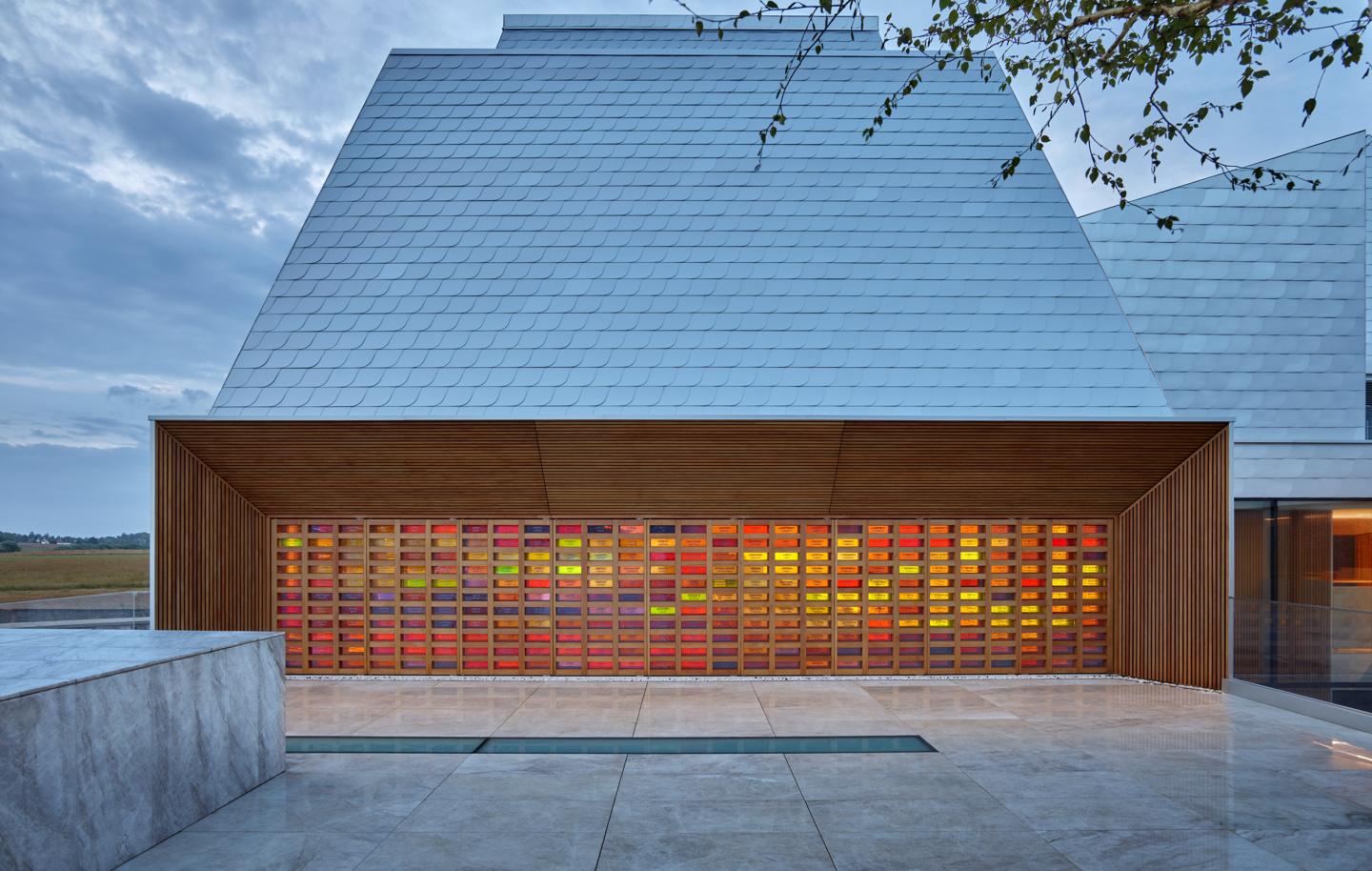
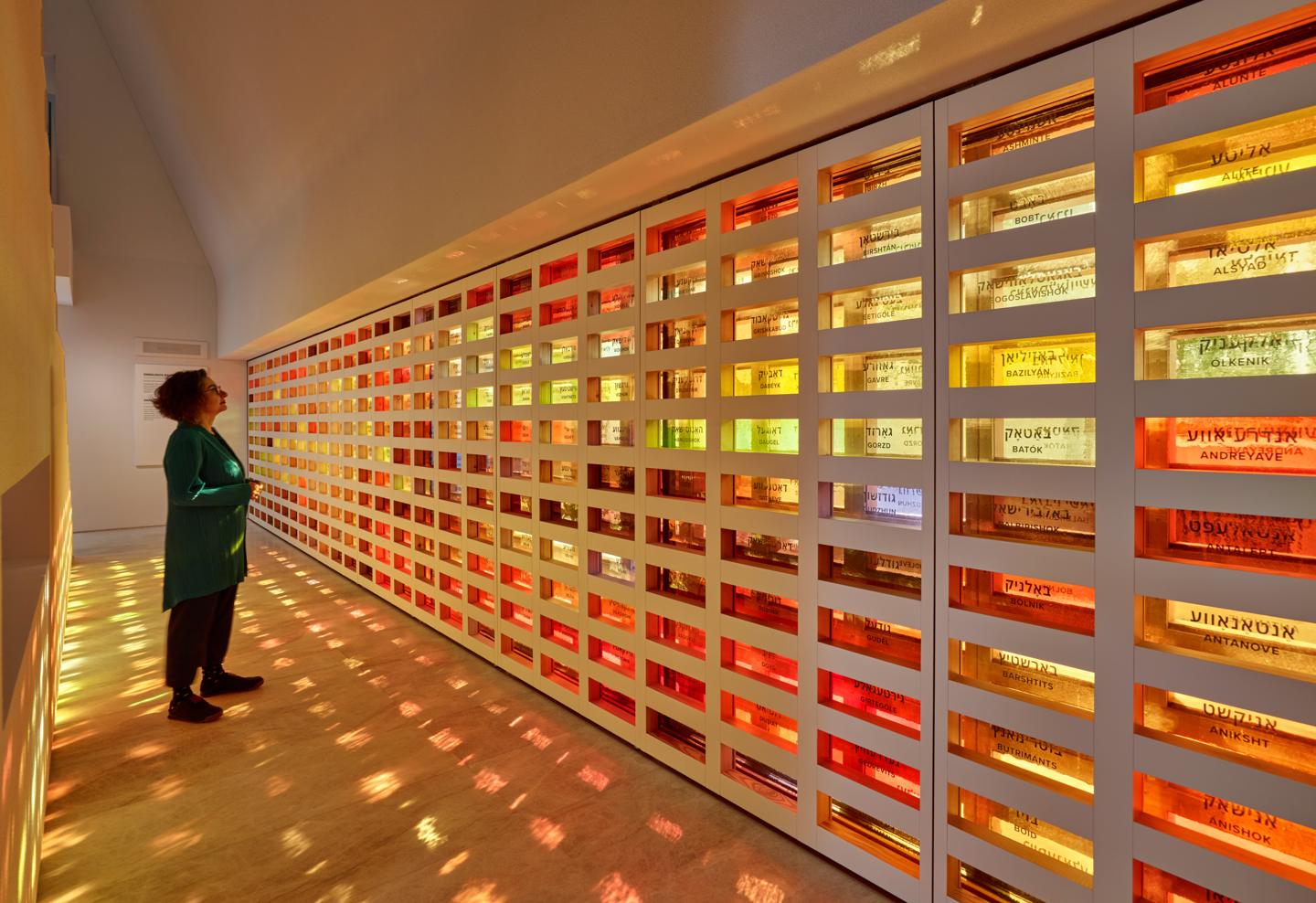
After the war, Lithuania was left with two hundred lost shtetls, two hundred places where life had been replaced by death. On the memorial wall, visitors read the names of nearly 300 Jewish communities that once existed in Lithuania. Their towns are still there, still lived in, yet a vital part of their history was violently and irreversibly erased. By uncovering the story of Šeduva, the museum hopes that more and more people will discover the history of Lithuania's Jewish communities.
While you're in Šeduva
The museum is only part of the story. Right beside it lies the Memorial Park, designed by landscape architect Enzo Enea, where the plantings and landscape echo the natural surroundings that accompanied shtetl residents from birth to death.
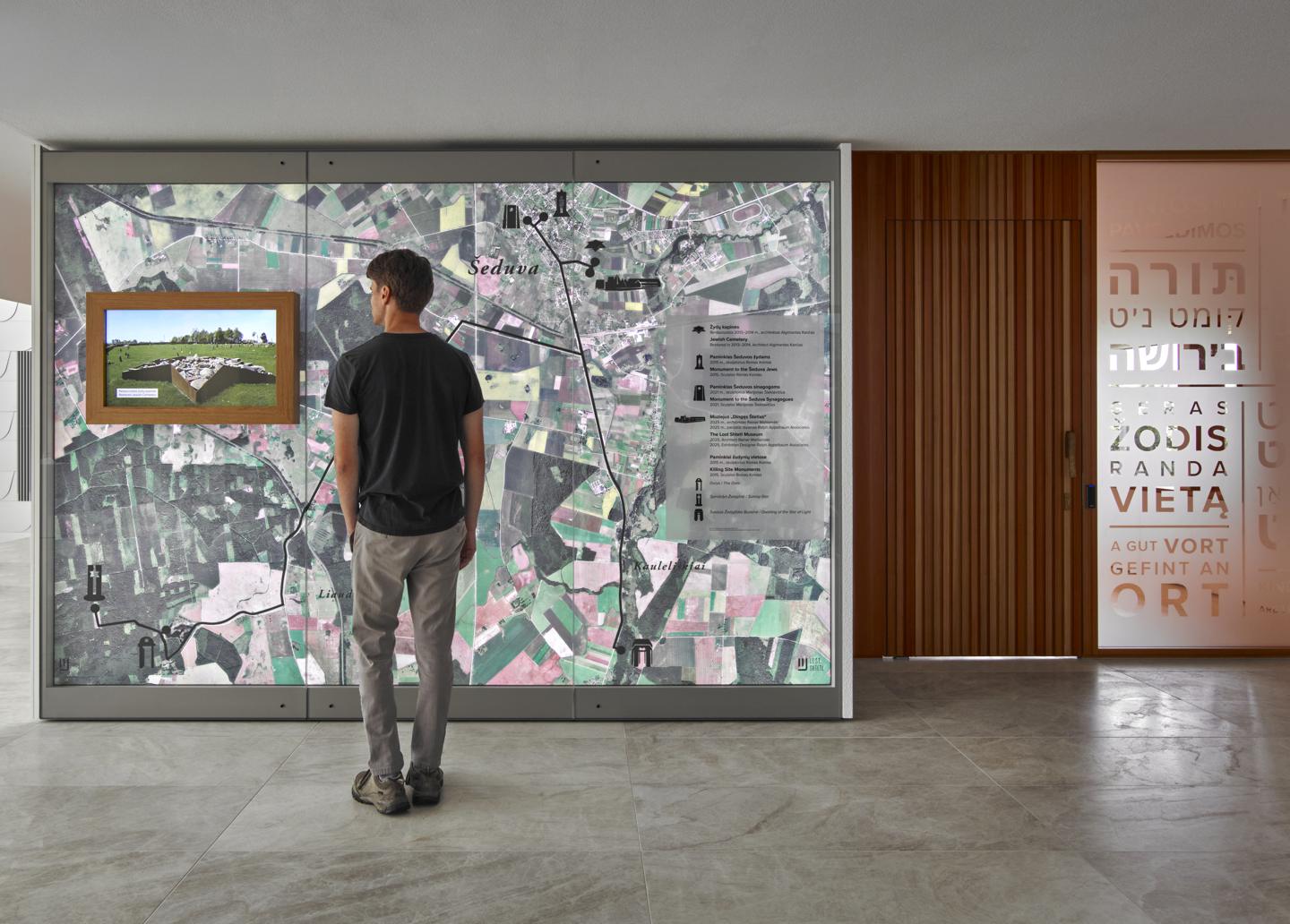
Close by is Šeduva's restored Jewish cemetery, and around the town stand monuments to the Jews of Šeduva, to its lost synagogues, and at the killing sites in the Liaudiškiai and Pakuteniai forests, where nearly 700 Jews were murdered in August 1941. The map at the museum entrance shows how these places connect, and audio guide stations at the cemetery tell their stories. Leave time for them after the museum: this is where the story you have just walked through meets the landscape where it happened.
If you are travelling in Lithuania, make the journey to Šeduva. Give it time, and let it stay with you.
Plan your visit
- Address
- 📍 Žvejų g. 14, Šeduva, Radviliškis district. Parking on site.
- Opening hours
- Tuesday to Sunday, 10:00-18:00. Closed Mondays and Lithuanian public holidays. Last entry one hour before closing.
- Tickets
- Admission is free. Booking a time slot in advance is recommended, as visitor numbers are limited.