Bringing Bagels Back to Žagarė

Today I'm happy to host Ernesta, the baker behind Žagarės Beigeliai, here on the blog. I found her place in Žagarė, a small town a long way from Vilnius. When I told her about the site, she wanted to share her story in her own words: a story about bagels, a small town, and the Jewish community that once lived there.
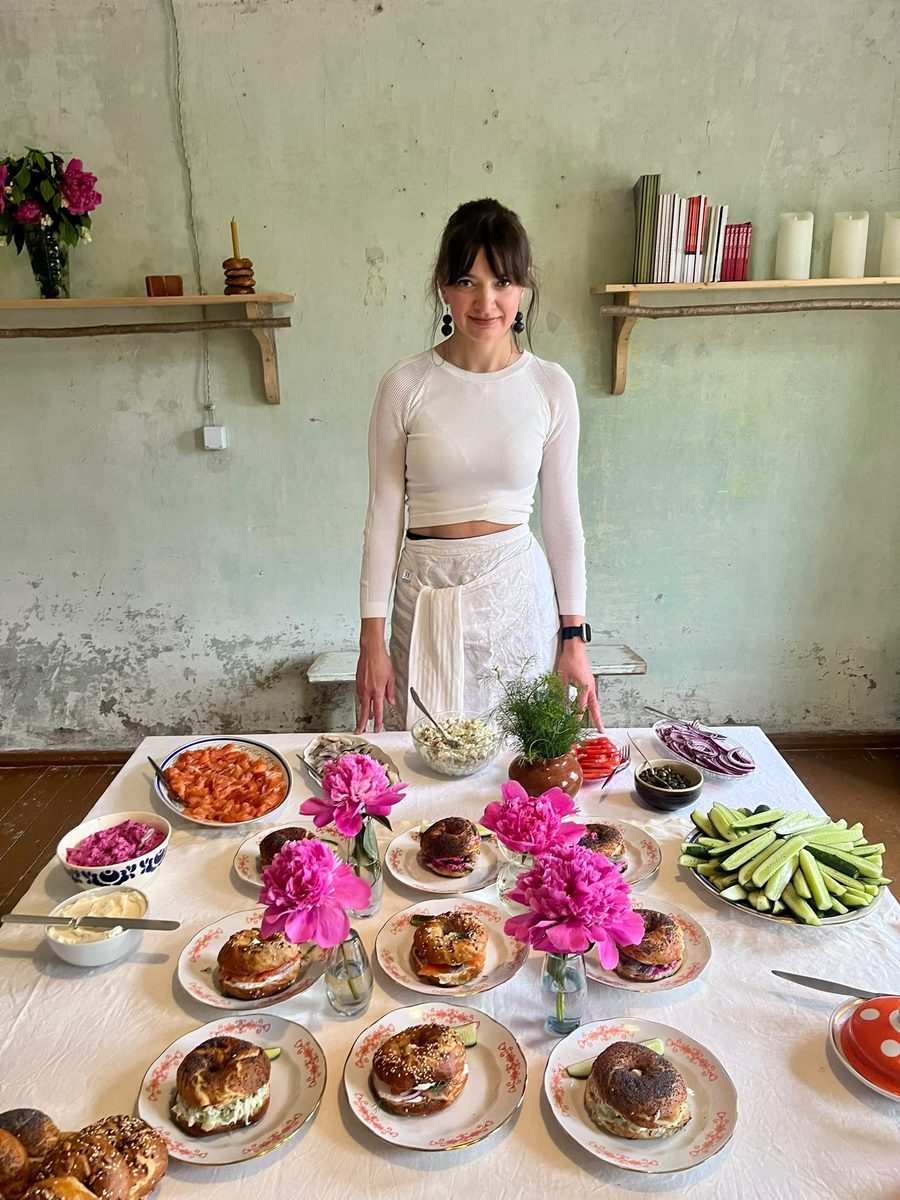
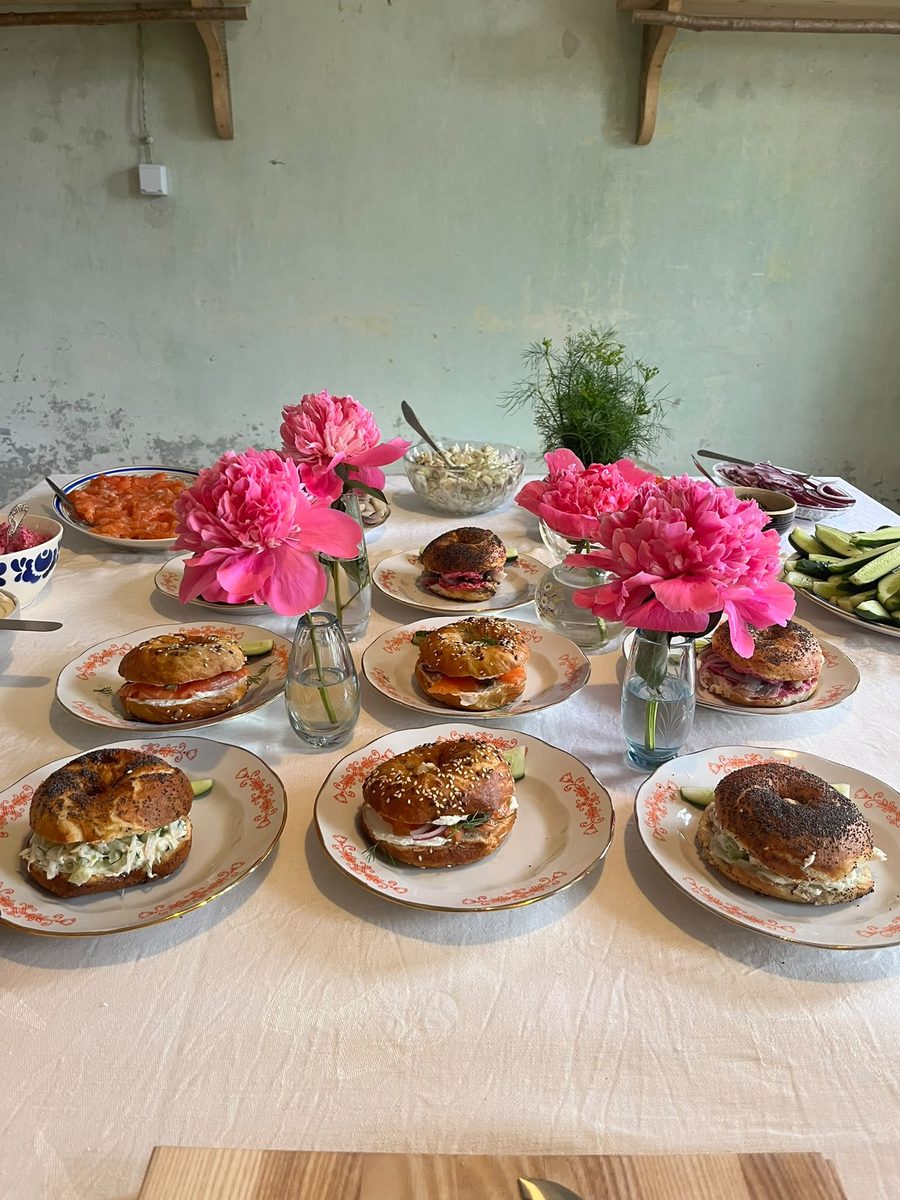
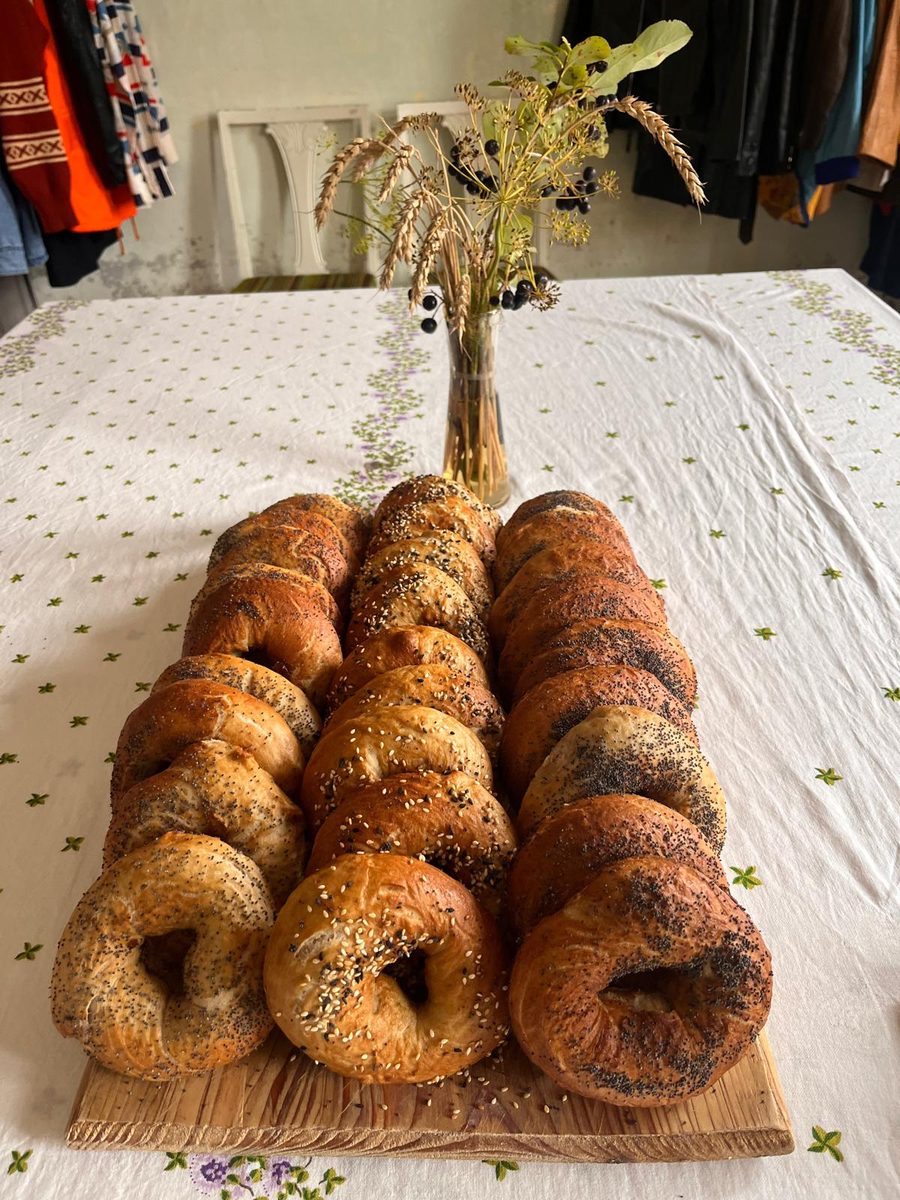
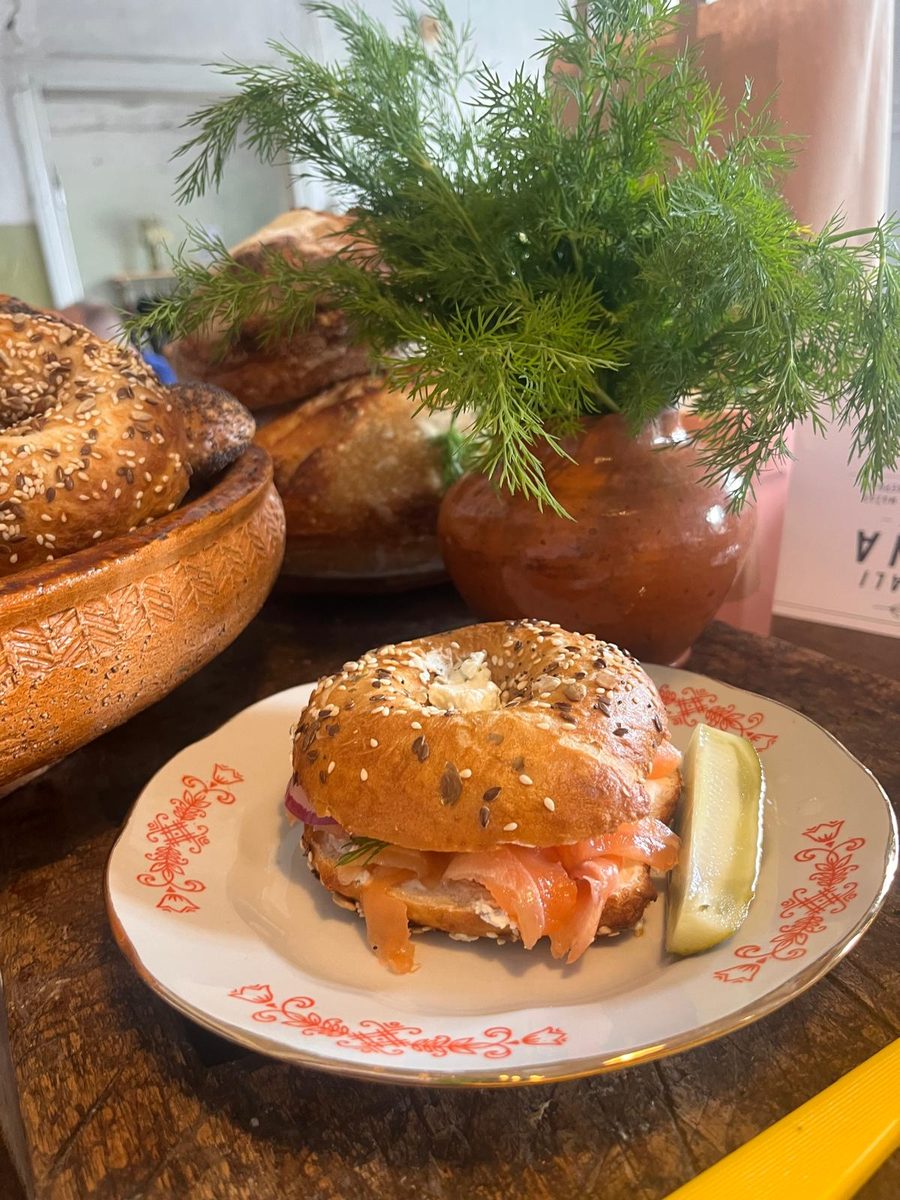
We started baking bagels in Žagarė a few years ago. At first it was only now and then, for events and special weekends. Slowly it grew into Žagarės Beigeliai.
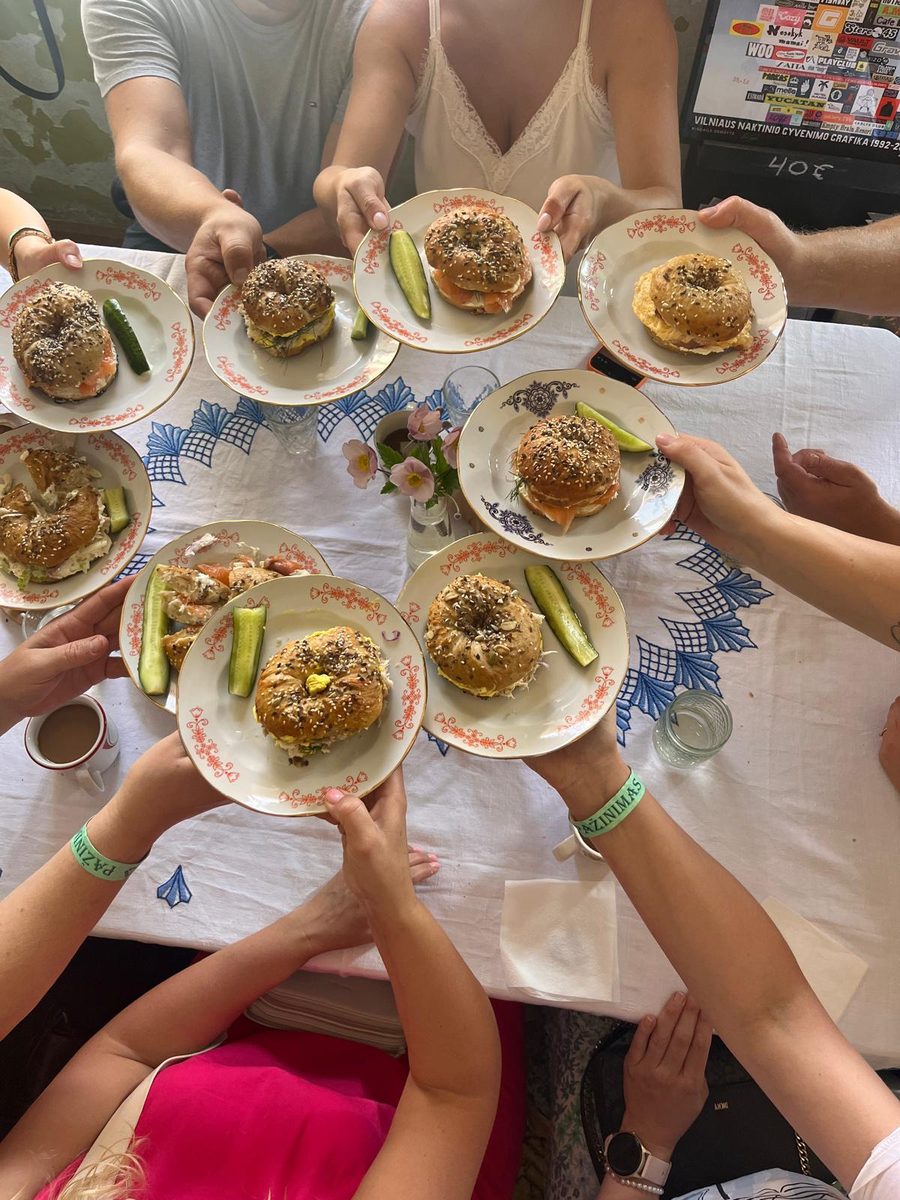
Today we open on selected weekends, and we also welcome groups for bagel tastings and workshops.
The "bagel return" to Vilnius
My story with bagels began much earlier, in Vilnius, about 15 years ago. Back then there were no bagels in the city at all. That felt strange, given how important bagels once were to Jewish life in Lithuania and across this part of Eastern Europe.
In 2010 I met a group of American Fulbright students, some of them Litvaks. Together with my husband, photographer Andrew Miksys, and a few other artists, we organized a small "bagel return" event at a friend's café. We baked bagels and brought them back into the city.
Bagels had not been made in Vilnius for nearly 70 years. It is strange to think they were almost forgotten. Today they are everywhere.
An old red-brick house and a cherry festival
Years later, my husband and I moved to Žagarė and bought an old red-brick house. I started baking bagels again for the Žagarė Cherry Festival, the town's annual summer festival.
People really liked them, so we kept going. Little by little, it became Žagarės Beigeliai.
Why Žagarė?
We simply fell in love with the town. It is small, beautiful, surrounded by nature, and it has an incredible and complicated history.
I also like the idea that interesting things don't have to happen only in Vilnius or other big cities. In a small town, a project like this can carry more meaning and become part of the place.
The house where two Jewish families once lived
I don't have Jewish roots myself, so I am careful not to present bagels as my own family tradition. The connection came through the people I met, through the history of Žagarė, and through our house.
Before the war, two Jewish families lived in the house where we now live and bake.
Not long ago, descendants of one of those families came to visit. They traveled from as far as Australia and South Africa to eat bagels and connect the dots in their family history. It was a very special moment: seeing them sit and eat bagels in the house where their family once lived.
"Žagarė once had a very large Jewish community, and so much of that life disappeared in the Holocaust."
For me, baking bagels is a small way of remembering that part of the town's history and bringing it back into everyday life. Not only as something you read about in a museum, but as something people can eat, talk about, and share together.
I would love to welcome you to Žagarė. Come and see this small, beautiful town for yourself. I open only on selected weekends, so please check the baking dates before you come. Groups can arrange a tasting or a workshop with me in advance. Sit down, order a bagel, and ask me about the house.
More to see in Žagarė
While you are in town, there is a lot more to see. Žagarė Manor is a grand estate with its central house still standing, English Tudor-style farm buildings, and a park designed by the landscape architect Kuphaldt. The visitor centre inside has exhibitions on hunting trophies, local history and a VR experience, and the tour takes about an hour and a half.
If you love nature, the Žagarė Regional Park has the Švėtė river valley, the Žagarė esker and a hiking trail with an observation tower at the Mūša Tyrelis bog. For something playful, visit the Scarecrow Factory on the bank of the Švėtė, where adults and children can make their own scarecrow. And if you come in summer, the Cherry Festival has scarecrow competitions too.
Plan your visit
- Address: Šiaulių g. 12, Žagarė
- Where: Northern Lithuania, close to the Latvian border
- When: Selected weekends. Baking dates are posted on Instagram
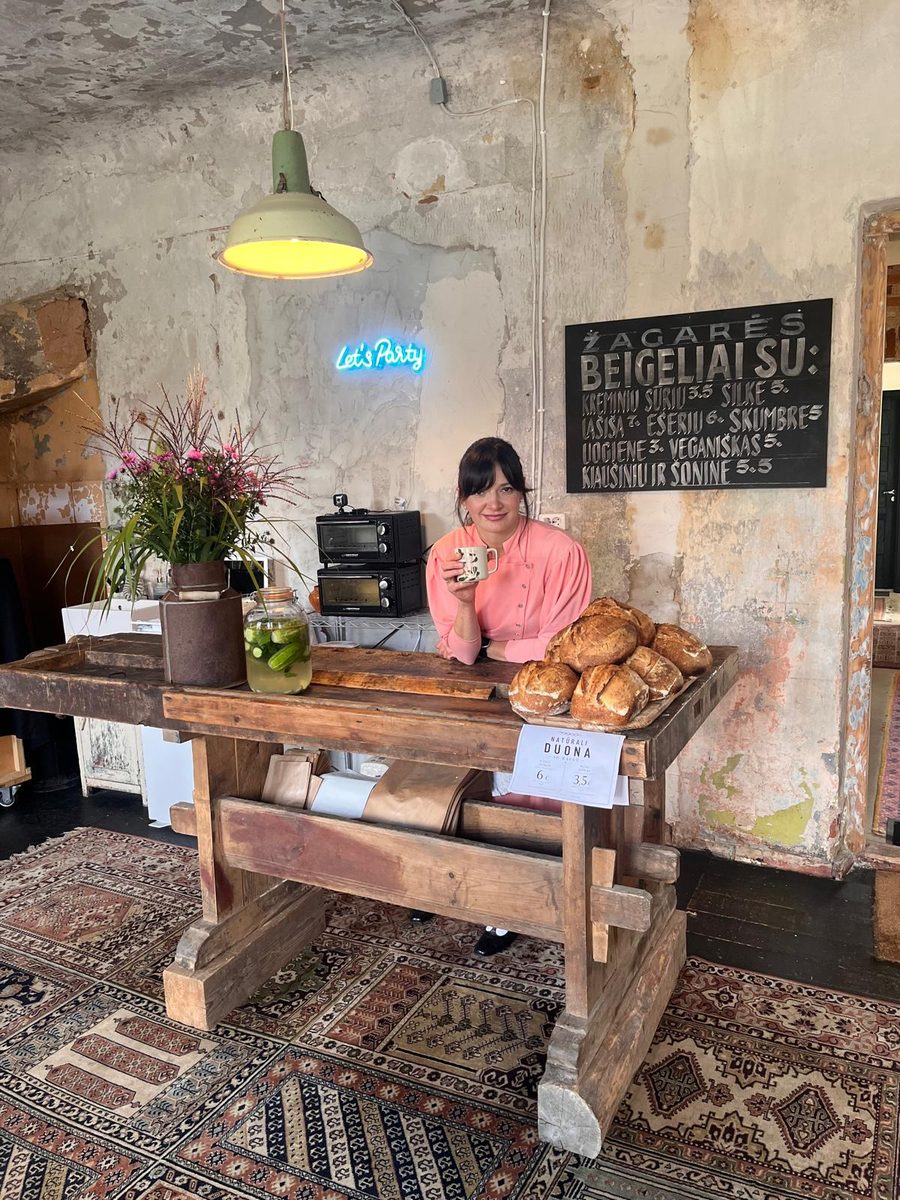
- What's there: Natural sourdough bagels and bread
- Groups: Bagel tastings and workshops on request
- Phone: +370 672 02 140
Getting there
From Vilnius
- By car: about 3 hours (255 km)
- Train + local bus: about 4 h 40 min to 5 h (direct train to Šiauliai about 2 h 30 min, then a local bus to Žagarė about 1 h)
- Bus + local bus: about 5 h 50 min (bus to Šiauliai about 3 h 30 min, then a local bus to Žagarė about 1 h)
From Kaunas
- By car: about 2 h 55 min (195 km)
- Direct bus: about 4 h 15 min to 4 h 25 min (about one a day)
- Train + local bus: about 4 to 6 h (train to Šiauliai with one change, 2 h 45 min to 4 h 40 min, then a local bus to Žagarė about 1 h)
From Šiauliai
- By car: about 55 min (55 km)
- Local bus: about 1 h (infrequent)
Times are approximate. Buses to Žagarė are infrequent, so check timetables before you go.